
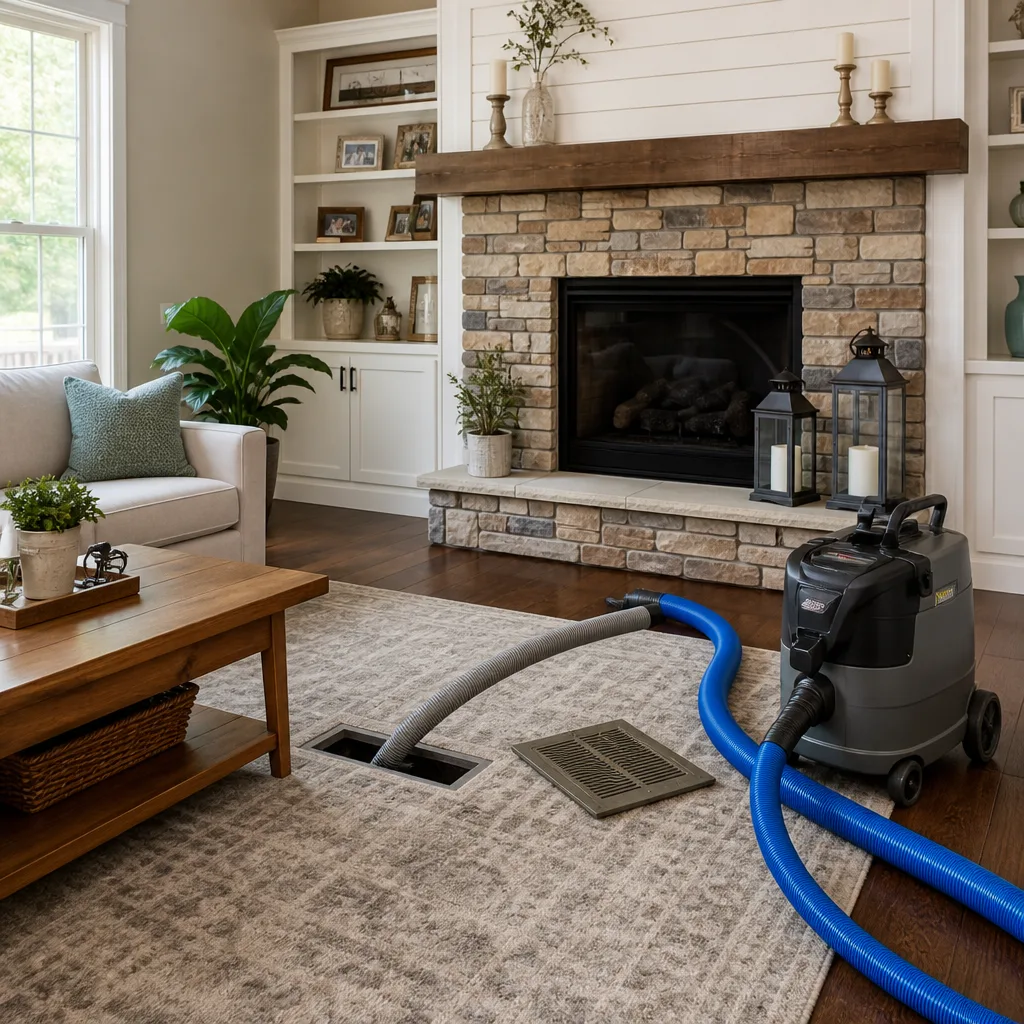
 Whole-home duct cleaning
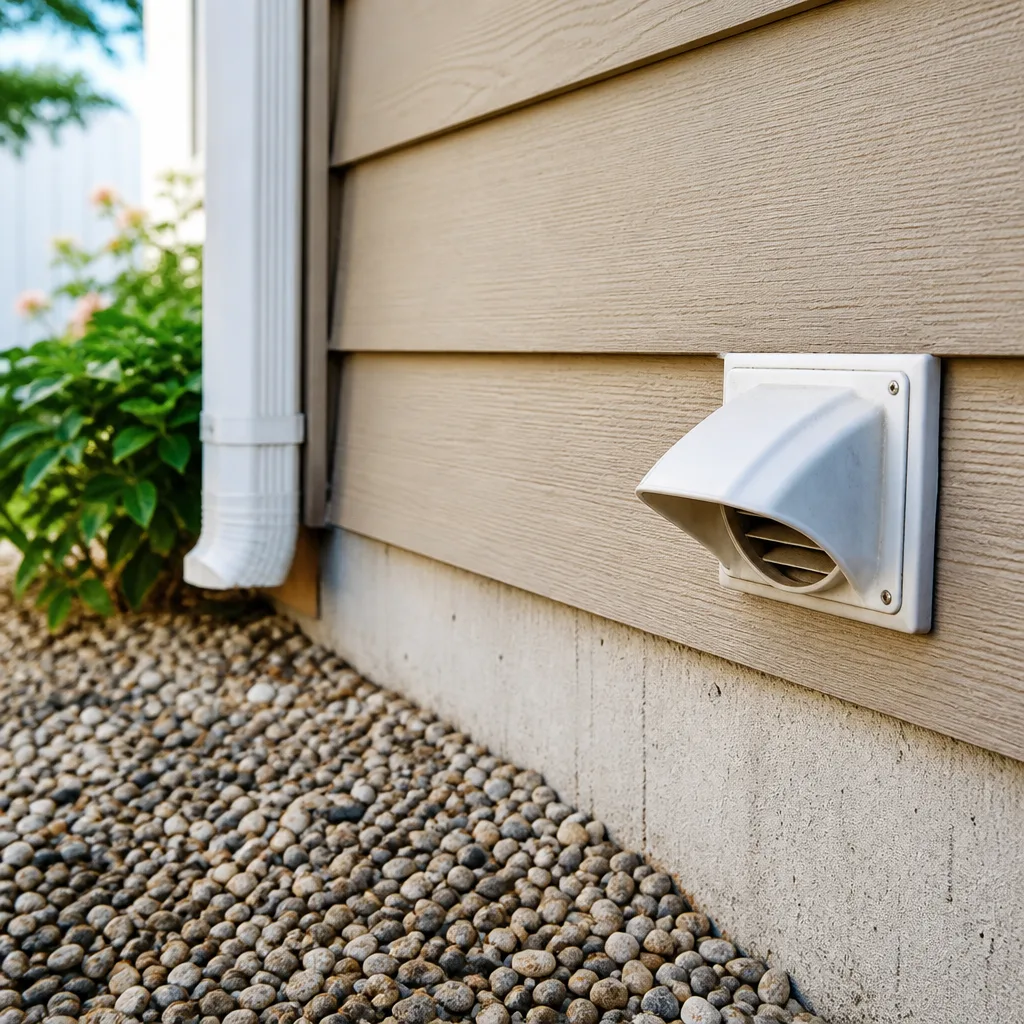 Dryer vent cleaning
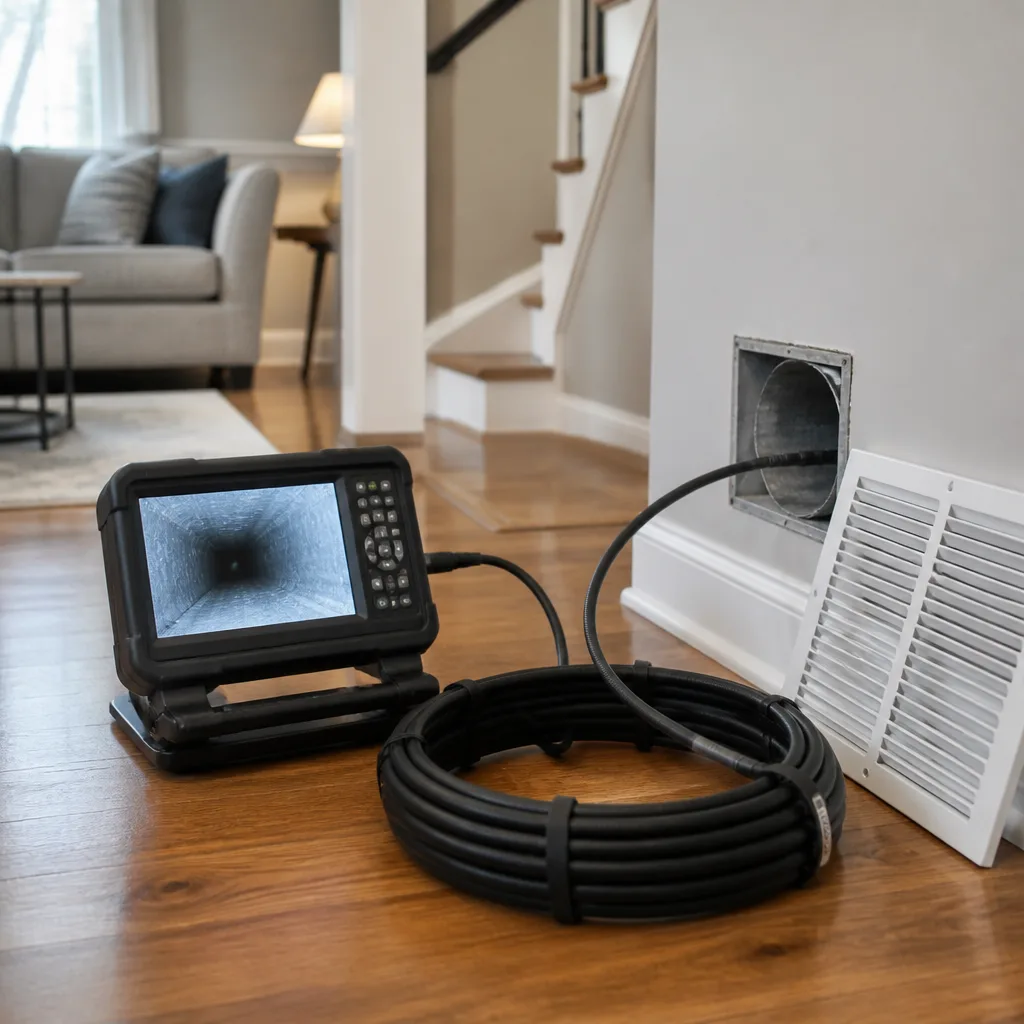 Camera inspection
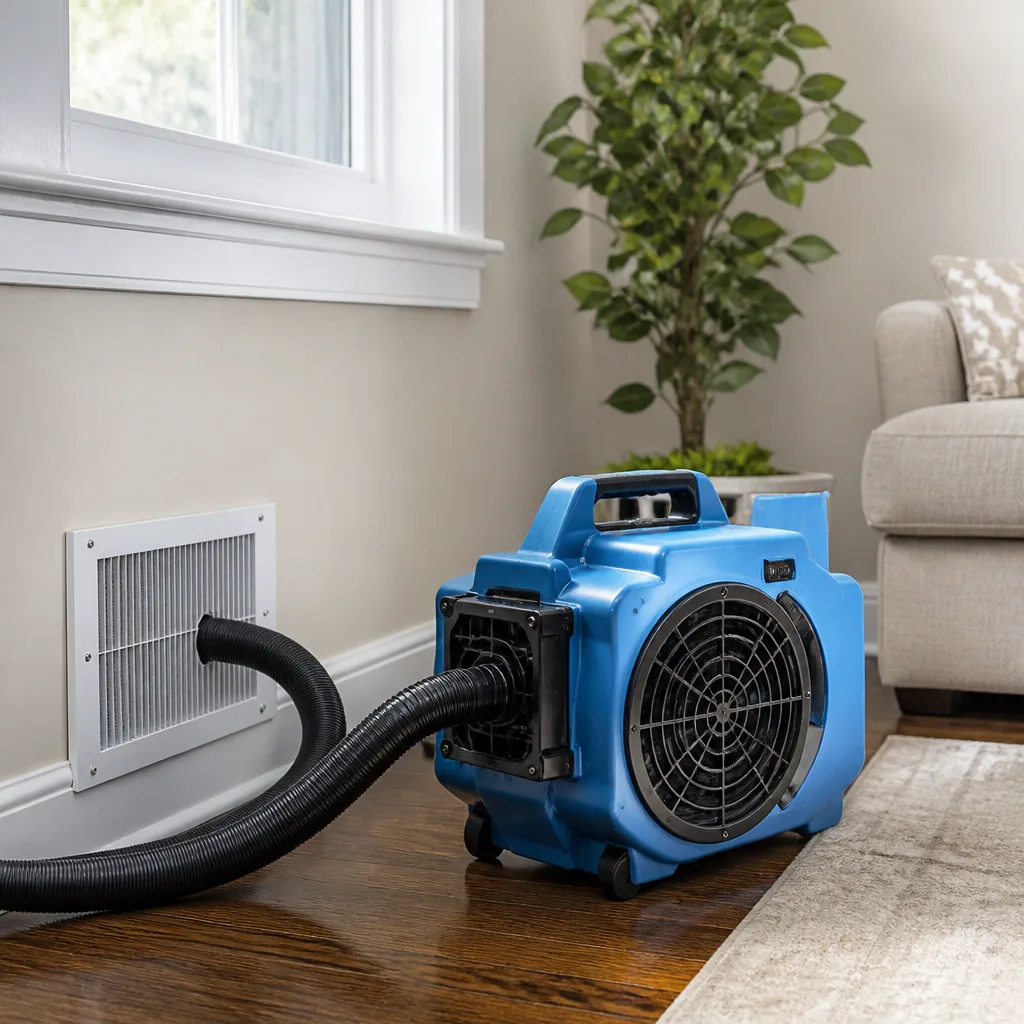 Sanitizing & deodorizing
Whole-system duct and dryer vent check with before-and-after photos - you see exactly what came out of your vents
That "$99 whole-house special" is a bait ad - the real number appears once they are in your hallway, or the "clean" is a shop-vac at the register. We photograph the inside of your ducts before and after instead.
Guardsman Register & Grille Cleaning: The Los Angeles Owner’s Guide
Cleaning the register and grille on your Guardsman system in Los Angeles typically runs $95 to $225 per unit when we do it as part of a broader air duct cleaning, and most jobs finish the same day. We stock Guardsman-compatible register and grille sizes on the truck, so there’s no second trip or week-long wait on parts. The usual way homeowners find us: they pop a register off to wipe it down, notice the damper’s seized or the blade hinges are flaking, and realize it’s not just dusty – it’s done.
We’re an independent Los Angeles service provider, not a Guardsman factory outlet. That matters because we’re free to tell you when a solid aftermarket replacement does the job just as well as the OEM piece, and when it doesn’t.
Which Guardsman Models This Applies To
Guardsman registers and grilles are used across most residential forced-air setups, but the sizing is the real compatibility question. The three standard configurations we see in Los Angeles homes are 4×10, 4×12, and 6×12 floor registers, plus wall-mounted return grilles in 14×20 and 16×24. Guardsman’s stamped-steel floor registers have a damper blade that slides on a friction track; older units from the early 2000s used a thinner blade stock that bends under heavy foot traffic, which is exactly the failure pattern we pulled from homes in Westlake and Miracle Mile. When you’re identifying what you have, turn the register over: Guardsman stamps the size and a two-digit series code on the back flange. If the code is worn off, measure the opening width and length at the duct mouth, not the trim plate. The trim plate is always wider, and measuring it gets you the wrong part.
On the OEM-vs-aftermarket question: Guardsman’s OEM stamped registers are fine pieces, but they’re not worth a premium price. The aftermarket equivalents we carry – stamped steel with a powder-coat finish matched to the original – hold up equally well in Southern California’s dry, air-conditioned indoor climate. The only case where we insist on OEM is oddball sizes: 5×10 or a register with overly tight spacing where the aftermarket slats don’t match the blade width. You won’t know that without checking, so call us and we’ll walk you through it.
Styles & brands we work with
Signs Your Guardsman Register & Grille Is Failing
- The damper lever won’t slide. Dust and grime work into the friction track over time, and the lever seizes. If you can no longer open or close the airflow to that room, the register is done – forcing it bends the linkage and makes it worse.
- Blades are bent or cracked. Stamped-steel louvers bend when a chair leg or vacuum head clips them. A bent blade restricts airflow and makes noise as air whips past it. Sometimes you can straighten one blade again, but once two or three bend, replacing beats repair.
- Rust or flaking finish around the edges. Registers and grilles sit in moving air, and in Los Angeles that air often carries a fine layer of coastal moisture depending on your neighborhood. The older Guardsman powder coat can fail at the rolled edges first, and the rust that follows sheds into the air stream.
- Visible dust streaks on the ceiling or wall around the grille. That’s not a failing grille, it’s a symptom of air bypassing the grille face because the frame seal has dried out. The grille needs to be pulled, the frame bed cleaned, and a fresh seal or adhesive applied before it’s re-set.
- Whistling or chattering sound when the air runs. A loose damper blade rattles in the airflow. Every cycle of the HVAC system works the friction fitting looser, and the sound gets worse with time. This one is common in older Guardsman registers that have seen 15 or 20 years of service.
See the difference
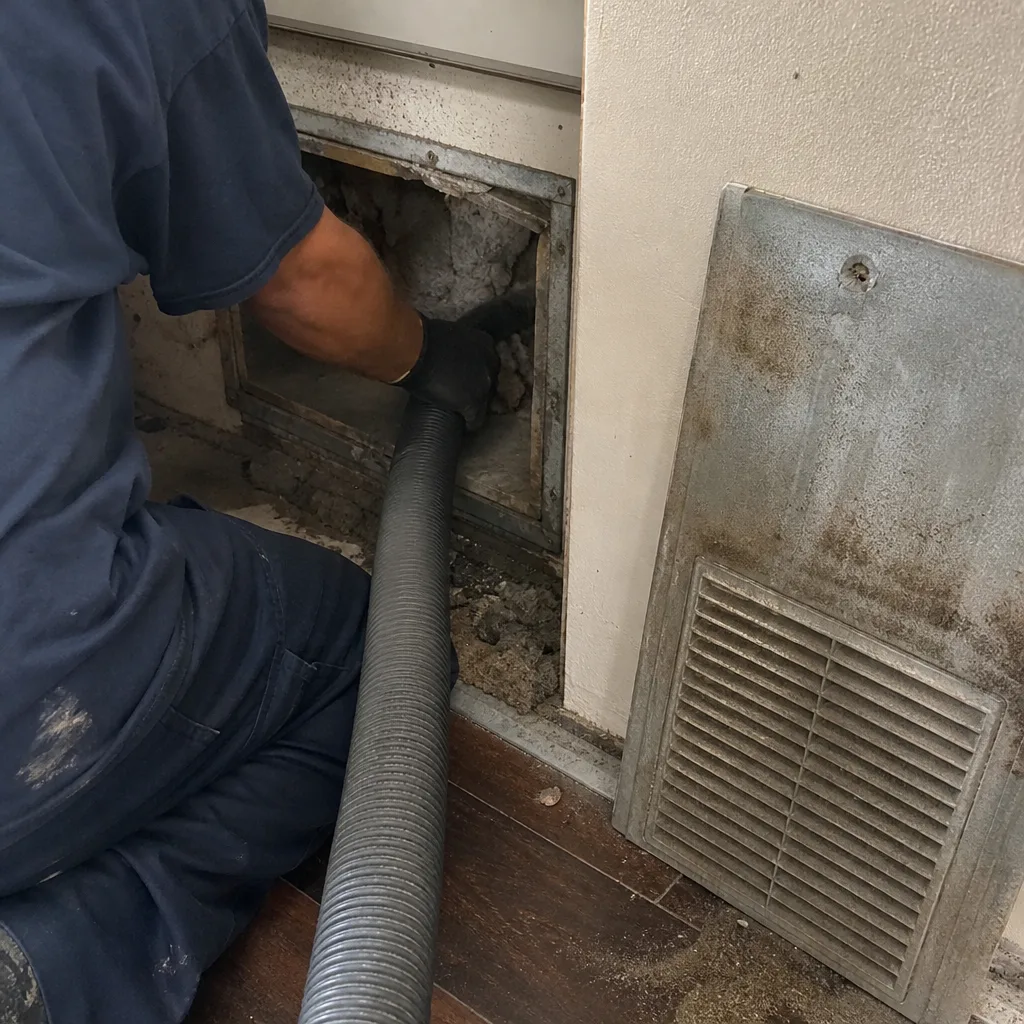 Before
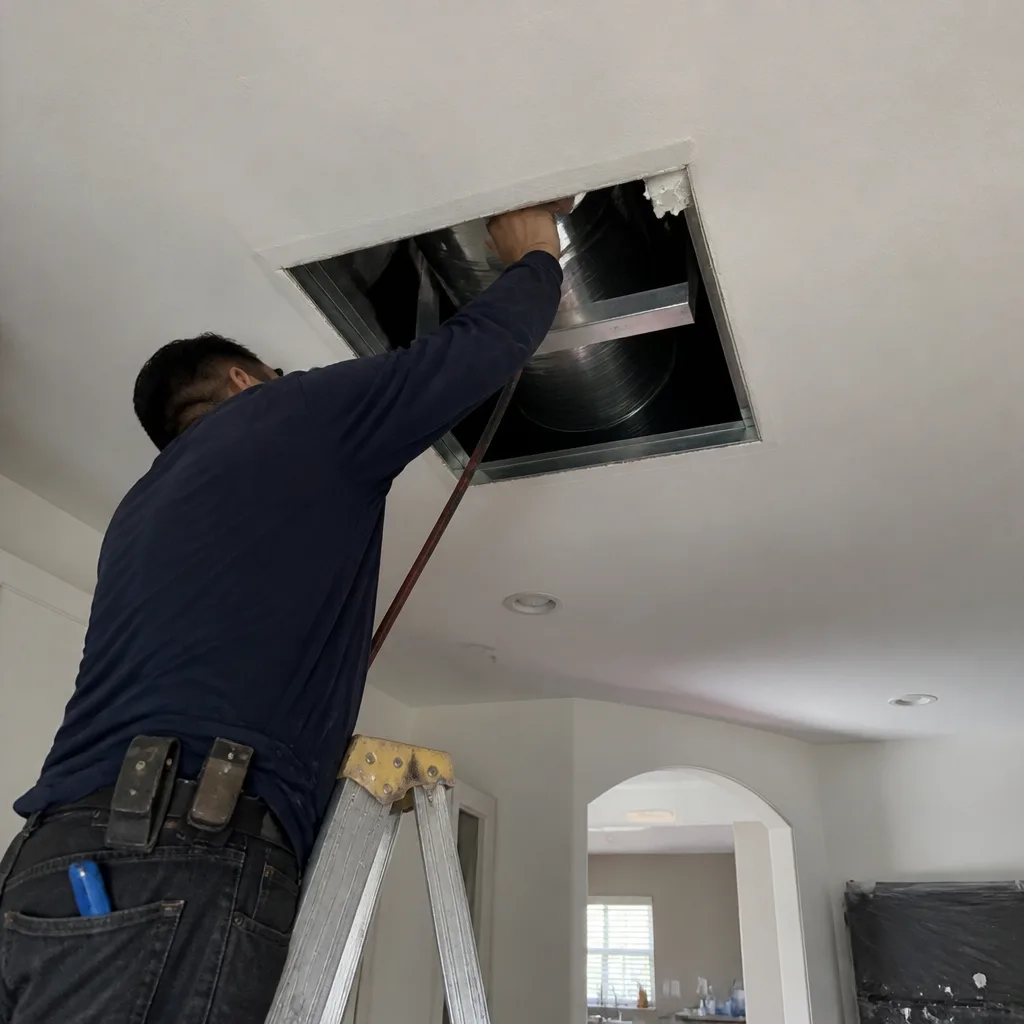 After
After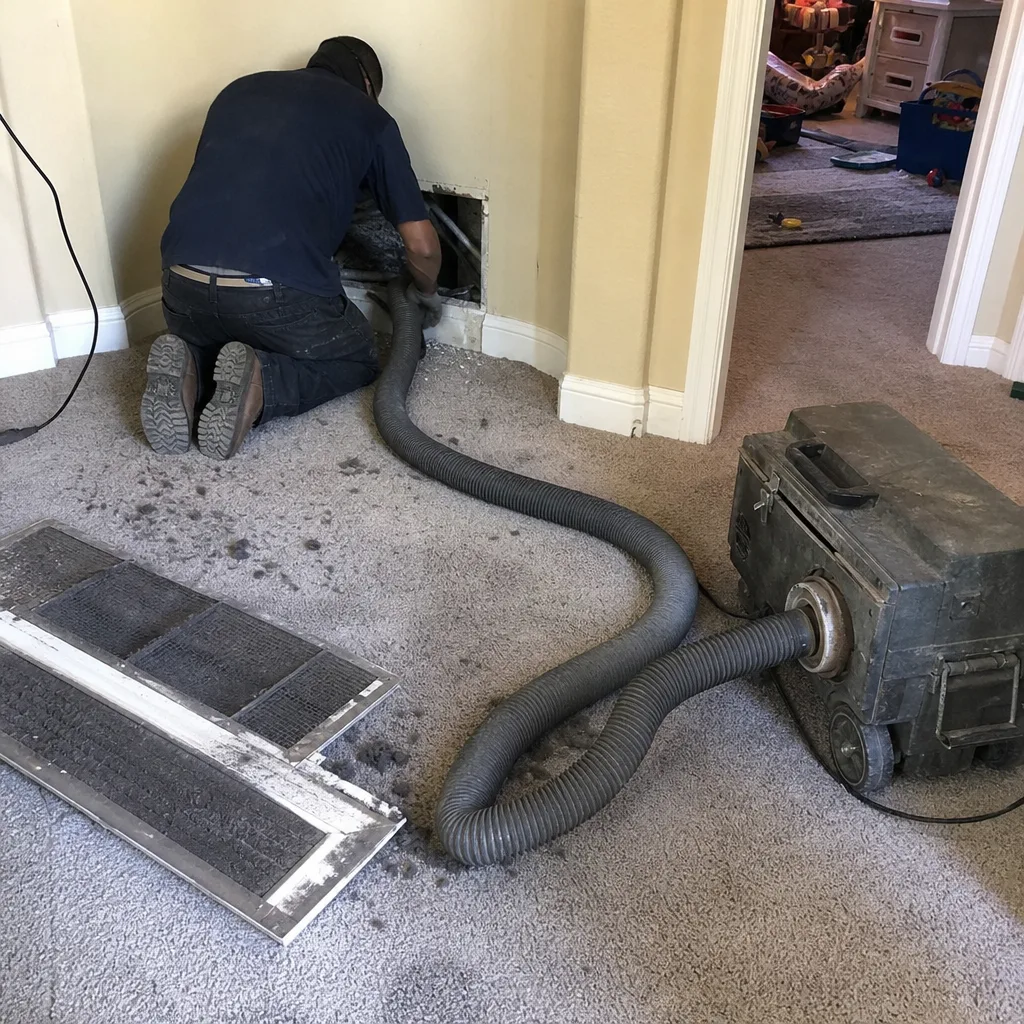 Before
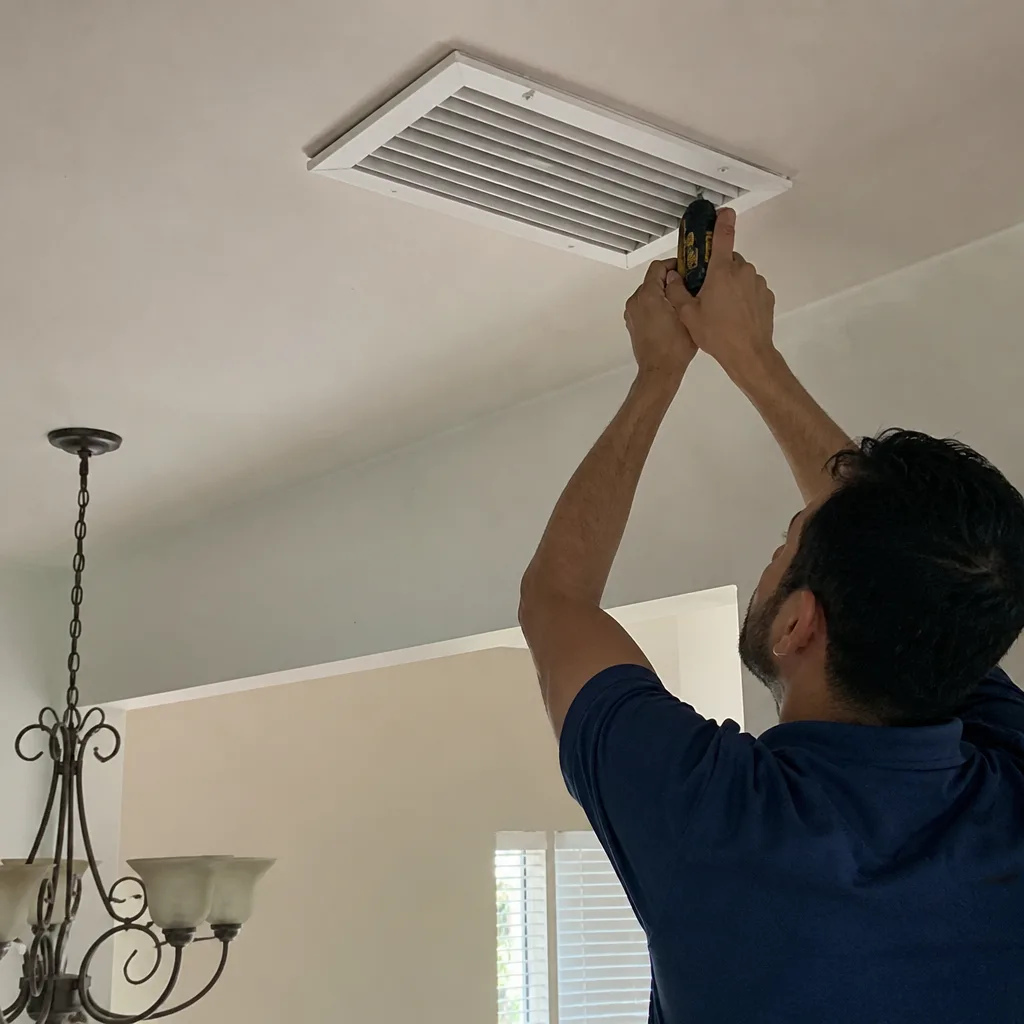 After
After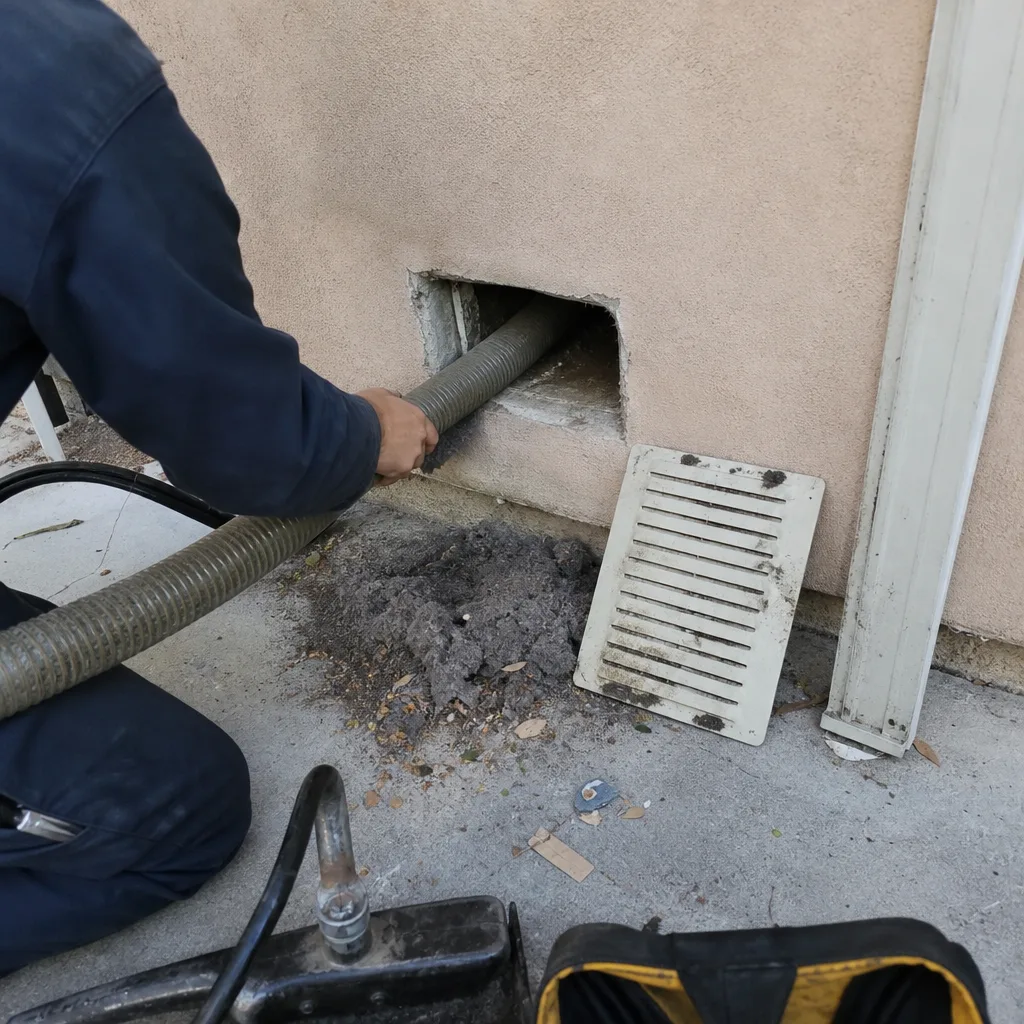 Before
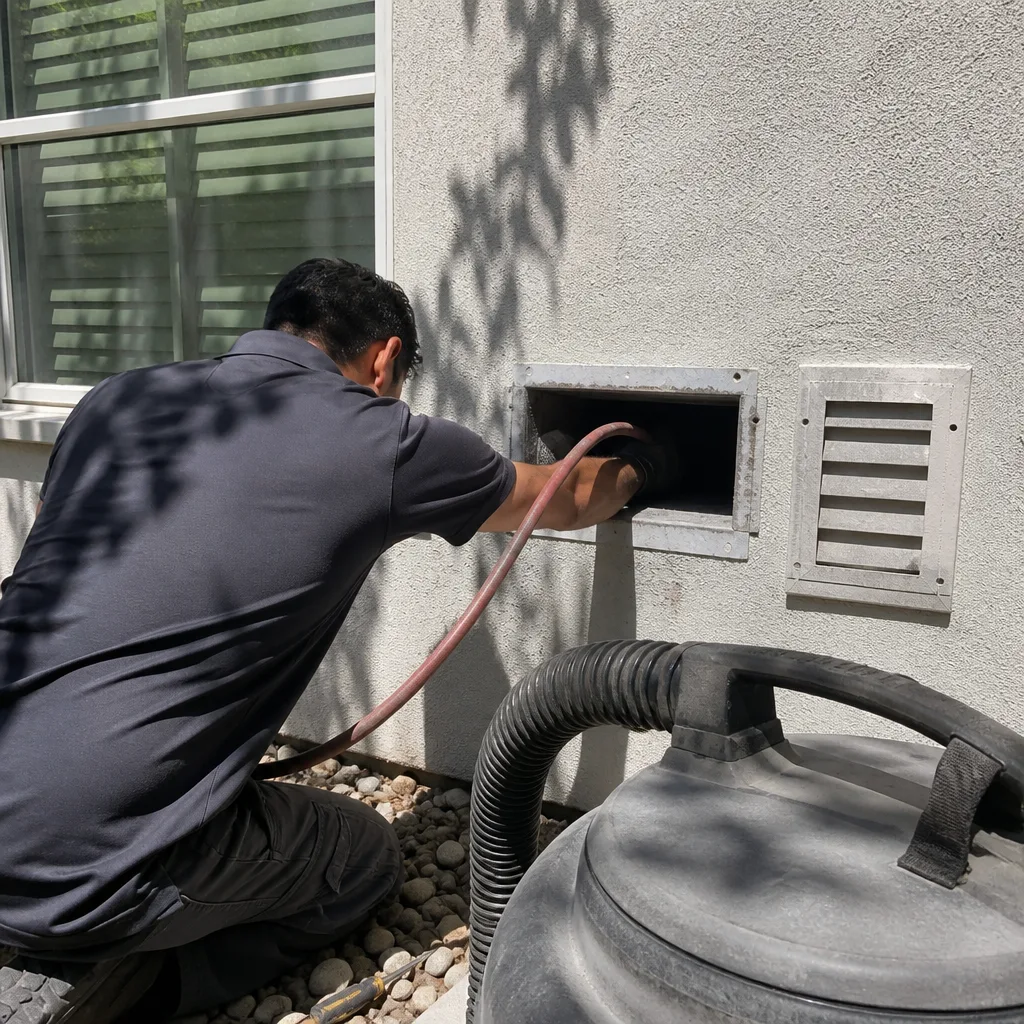 After
AfterReplacement Cost & What’s Included
In Los Angeles, most single register and grille replacements land between $95 and $225 installed. The spread comes down to three things: the size of the unit (a 4×10 stamped register costs less than a 16×24 return grille), whether we’re replacing one piece or several, and whether the duct mouth needs any re-sealing at the frame. We write the price before we open the truck door, so you’ll see parts and labor as separate lines. No per-vent hidden fees, no revision after the fact.
Every replacement includes cleaning the throat of the duct visible behind the register, re-setting the frame with a proper seal, and taking before-and-after photos you can keep. If the new register or grille fails within the guarantee period, we return and make it right at no charge – that’s the 365-Day Done Right Promise, in writing on your invoice.
DIY or Call Us?
Registers and grilles are about as safe a DIY part as exists in HVAC. There’s no high-tension spring, no electrical connection, no gas line. You can absolutely vacuum the loose dust off a grille, and you can absolutely swap a register if you’re confident you have the right size. Where DIY goes wrong is in the details: ordering the wrong size because you measured the trim plate, not the duct mouth, or installing a new register without re-sealing the frame and then wondering why the dust streaks come back. The other common mistake is treating a dirty grille as a dirty duct system – if the register is caked in dust, the duct behind it likely needs attention too. If you open a register and see thick gray fuzz inside the boot, that’s a sign the ducts themselves need a proper cleaning, not just a register swap. Call us at (213) 733-0665 and tell us what you’re seeing; we’ll give you an honest read on whether this is a simple swap or a system-wide issue.
FAQs
In Los Angeles homes, a well-made register or grille lasts 15 to 25 years before the finish starts to fail or the damper linkage wears out. Coastal-adjacent neighborhoods like Playa del Rey or Marina del Rey tend to see slightly faster finish degradation from the salt air, while inland areas get more thermal cycling wear. If your registers are older than 20 years and showing rust or seized dampers, replacement makes more sense than trying to salvage them.
Call (213) 733-0665 and we’ll confirm whether yours are worth saving or done – a quick photo over the phone usually answers it.
A seized damper can sometimes be freed with cleaning and lubrication, and a single bent louver can often be straightened. But you can’t repair rusted-through steel or a broken hinge weld. For older Guardsman units, the cost of our time to repair often equals or exceeds the cost of a new register, which is why we give the honest recommendation either way. If repair is viable, we’ll say so and charge accordingly.
A single register replacement takes about 20 to 30 minutes including removing the old unit, cleaning the visible duct throat, re-sealing the frame, and installing the new piece. Multiple registers or return grilles extend the visit proportionally, but a full-house register refresh is almost always done within one standard service window.
We’ll give you a set arrival window before we come, and we keep it – that’s part of the Kingswell Way code we operate under.
Yes. We carry the common sizes – 4×10, 4×12, 6×12 floor registers and the standard return grille sizes – in stamped steel with a powder-coat finish that matches the original Guardsman look. We don’t keep every oddball size in the truck, but we can source most within a day or two through our Los Angeles suppliers. We also work with registers and grilles made for Lennox, Trane, and Carrier systems if you have a mixed-vintage home.
Written by Dale Whitmore, Owner, Kestrel Air Duct Los Angeles at Kestrel Air Duct Los Angeles, serving Los Angeles and nearby areas.