
Last updated October 15, 2026
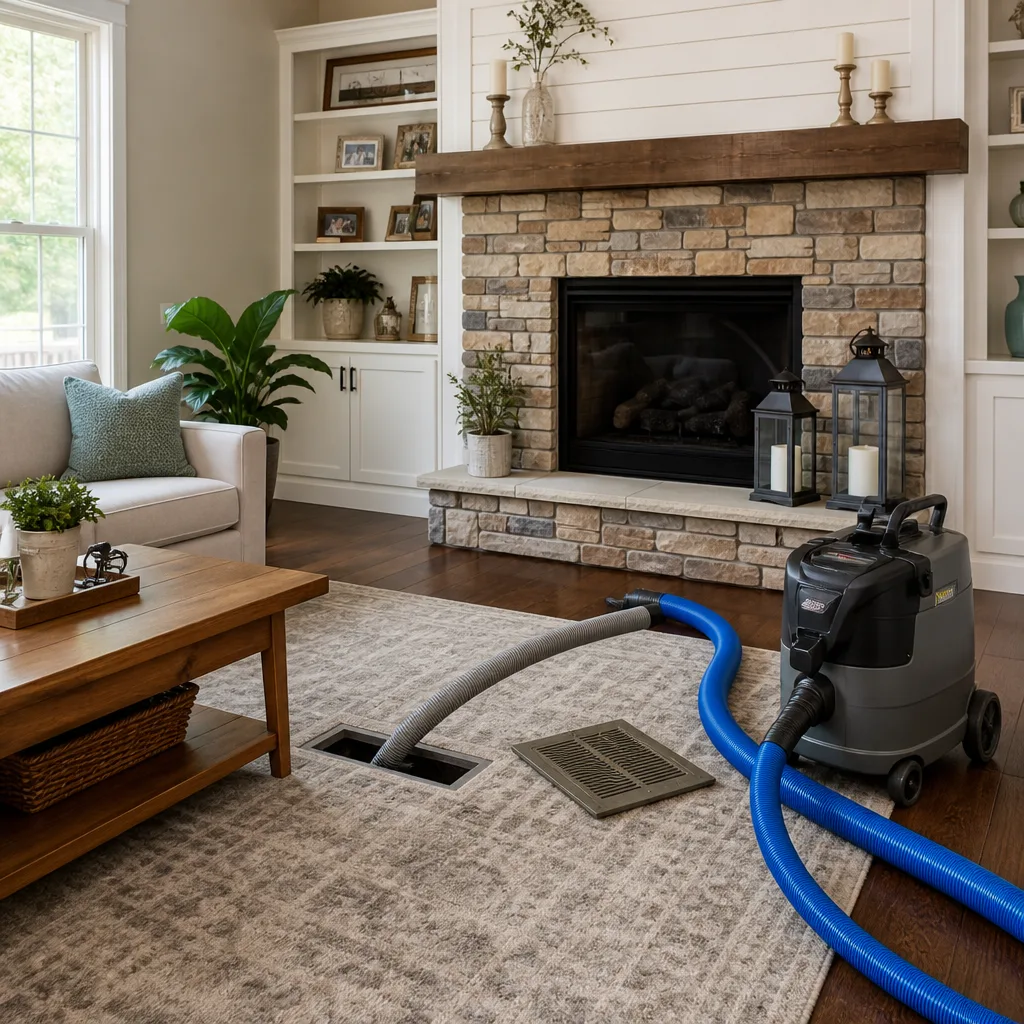 Whole-home duct cleaning
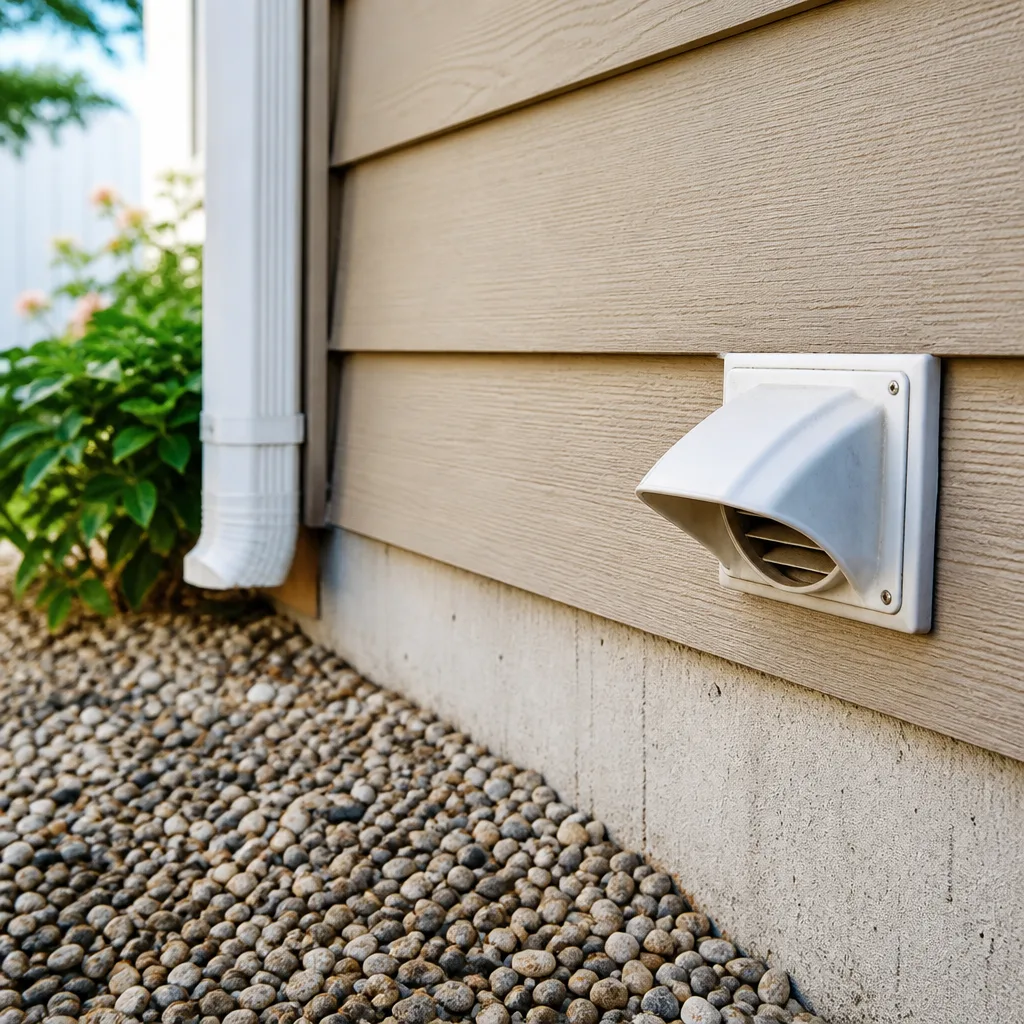 Dryer vent cleaning
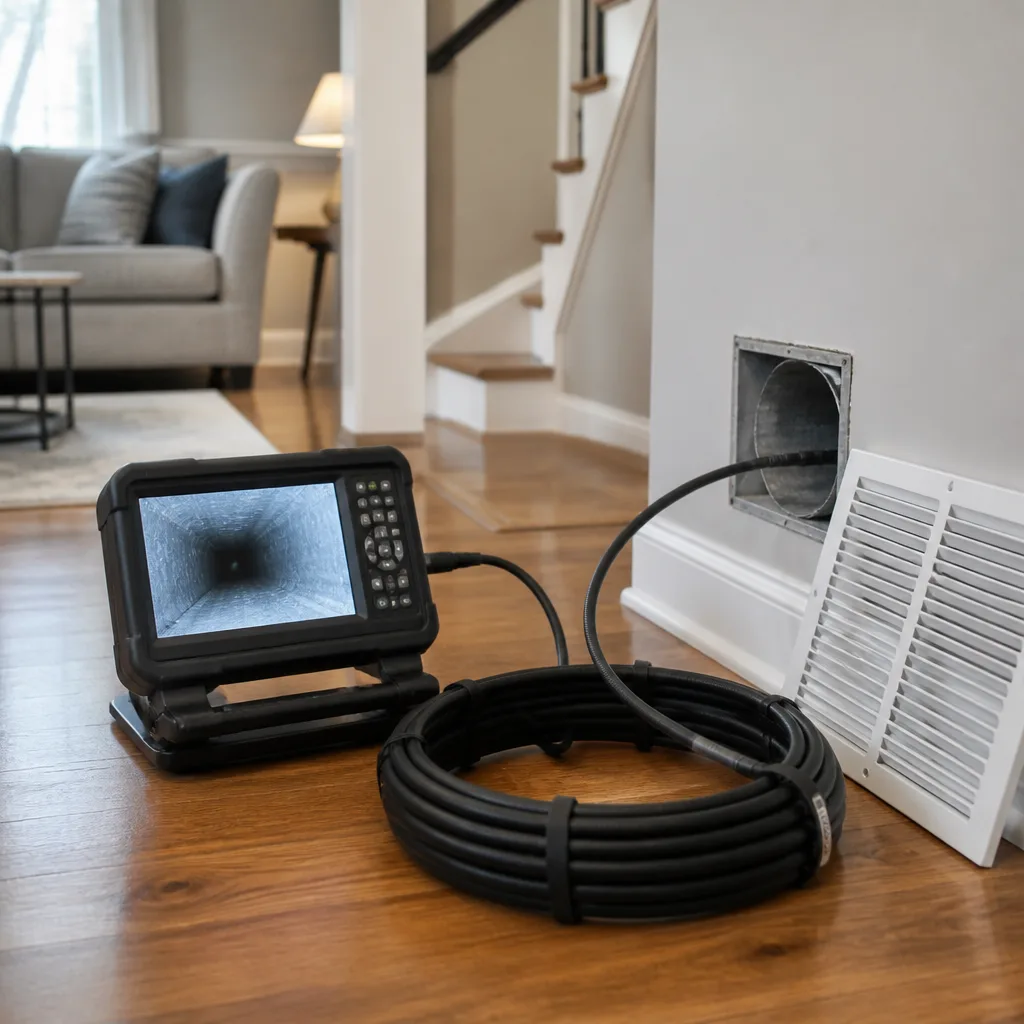 Camera inspection
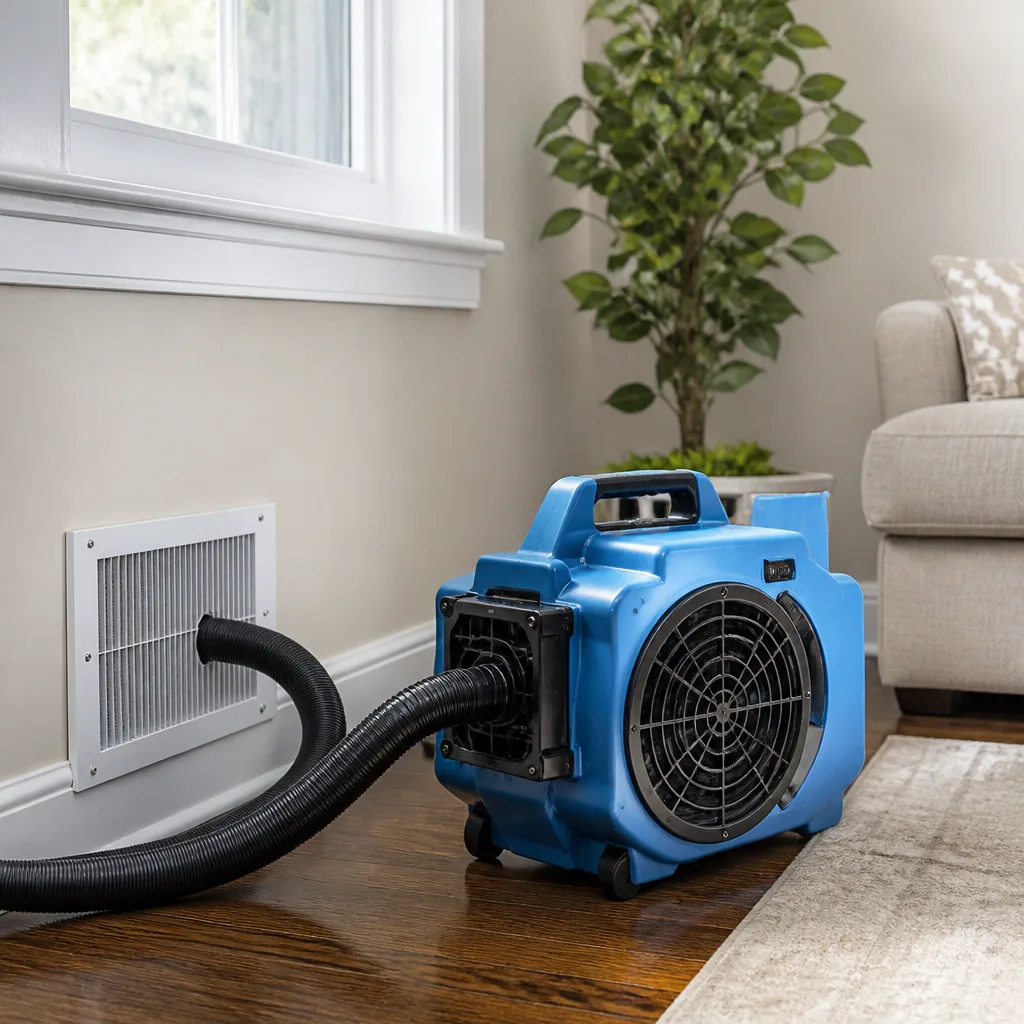 Sanitizing & deodorizing
Whole-system duct and dryer vent check with before-and-after photos - you see exactly what came out of your vents
That "$99 whole-house special" is a bait ad - the real number appears once they are in your hallway, or the "clean" is a shop-vac at the register. We photograph the inside of your ducts before and after instead.
DIY vs Professional Air Duct Cleaning: The Los Angeles Homeowner’s Decision Guide
A shop vac generates roughly 60 cubic feet per minute of suction. A professional truck-mounted negative-air machine pulls 3,000 to 5,000 CFM. That is not a gap you can close with extra passes or a longer hose. It is the difference between wiping dust off a register and removing the debris packed along the full length of the duct run. This guide draws the line precisely, so you know which jobs a $200 DIY kit can actually handle in a Los Angeles home and which ones require equipment that does not fit in a garage. For more guides & resources, explore our blog.
Styles & brands we work with
Quick Answer
For surface debris at registers and short, straight duct runs under 8 feet, a DIY kit with a brush and shop vac can do real work. For anything beyond that – flex duct with bends, long trunk lines, or systems with visible dust at every supply vent – professional negative-air extraction is the only method that removes contaminants at the source rather than loosening them. In Los Angeles, where many homes have earthquake-stressed duct joints, older insulation, and fine particulate from freeway proximity, the professional route usually delivers what the DIY price tag promises but cannot physically achieve.
Table of Contents
- The Physics Problem: Why CFM Is the Whole Game
- What DIY Duct Cleaning Can Actually Do Well
- Where DIY Duct Cleaning Falls Apart
- Los Angeles-Specific Conditions That Make DIY Riskier
- The Honest Cost Comparison: DIY vs Professional
- How to Verify Any Duct Cleaning Was Actually Done
- Common Mistakes to Avoid
- When to Call a Professional
- Frequently Asked Questions
- The Bottom Line
The Physics Problem: Why CFM Is the Whole Game
Duct cleaning is not scrubbing. It is airflow management. The goal is to dislodge debris from the duct wall and then move it out of the system entirely. A brush loosens; air carries. If the air is not moving fast enough through the full diameter of the duct, the loosened debris settles right back where it was, or travels a few feet and re-deposits at the next joint.
A consumer shop vac moves about 60 CFM through a 2.5-inch hose. A professional negative-air unit moves 3,000 to 5,000 CFM through a sealed system. The difference matters because air velocity, not suction alone, determines whether debris is carried out. Think of it like a river. A garden hose and a fire hose both move water, but only one of them moves the gravel at the bottom.
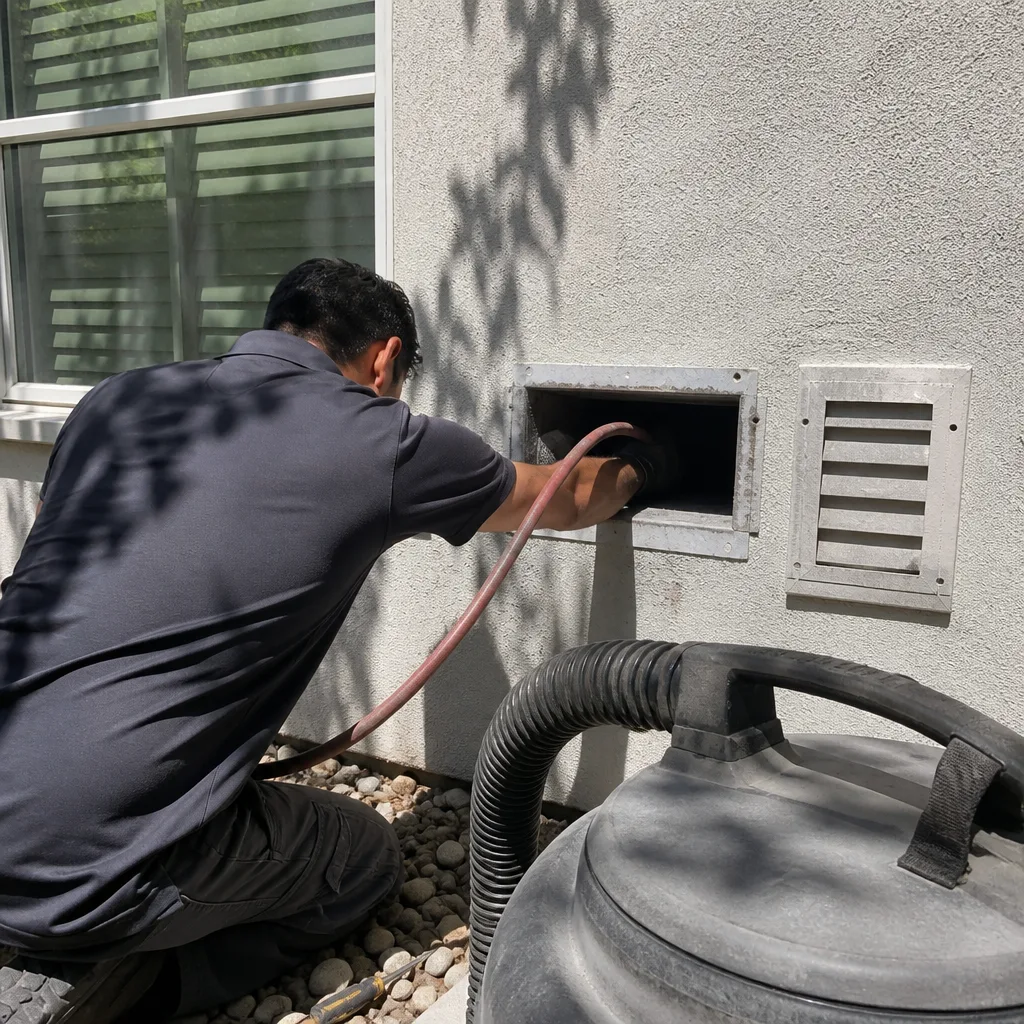
Negative-air extraction works by sealing the duct system, connecting a high-power vacuum unit at one end, and creating a continuous draw through the entire run. Debris loosened by rotary brush agitation gets pulled into a HEPA-filtered collection unit before the air is exhausted. The system stays under negative pressure the whole time, which means loosened particles do not drift back into the living space. That is the second physics problem DIY cannot solve: containment. A shop vac exhausts through a basic filter, and whatever escapes that filter settles right back into the room or gets pulled through the return and redistributed.
This is why the 8-foot rule is the honest dividing line. On a short, straight run, a brush on a flexible rod driven by a drill can reach the full circumference of the duct, and a shop vac can pull the loosened debris directly at the opening. The working distance is short enough that the 60 CFM draw is still moving meaningful air. Past 8 feet, or through a single bend, the brush loses contact with the full wall surface and the vacuum draw drops below the threshold needed to carry anything heavier than fine dust.
What DIY Duct Cleaning Can Actually Do Well
This is not a case against doing anything yourself. There are four tasks within reach of a competent homeowner with basic tools, and doing these between professional cleanings adds real value.
1. Register and Grille Cleaning
Remove every supply and return register in the home. Most pop out with two screws or a gentle pry. Wash them in warm water with dish soap, let them dry fully, and vacuum the visible duct opening to the depth of your hand. This removes surface dust, pet hair, and the gray film that forms from cooking aerosols. Do this twice a year and it improves both airflow and the look of every room.
2. Dryer Vent Visual Inspection
Pull the dryer away from the wall, disconnect the flex transition duct, and look down the duct run with a flashlight. If you can see lint buildup at the wall connection or the flap at the exterior termination is stuck open, that is a real finding. Clean what you can reach with a long-handle lint brush, then reassemble. What you cannot see – a 12-foot run through a wall cavity or a roof termination – is where professional dryer vent cleaning in Los Angeles matters, because a partially blocked vent is a fire hazard that does not announce itself.
3. Filter Replacement and Upgrade
Changing your HVAC filter on schedule is the single highest-value maintenance task any homeowner can do, and it requires no tools. A MERV 8 filter changed every 90 days keeps the blower motor clean and the system running efficiently. If someone in the home has allergies, a MERV 11 or MERV 13 upgrade makes sense – but check your system’s static pressure tolerance first, since higher MERV ratings restrict airflow and older blower motors may struggle. Honeywell and Aprilaire both make filters that hold up well in Los Angeles homes, where fine particulate from traffic and wildfire smoke pushes filters harder than the national average.
4. Visual Duct Inspection at Registers
Use the camera on your phone, light included, to shoot down each visible duct opening. You are looking for accumulated dust, visible debris, or anything that looks like moisture staining. Photograph one supply vent in each room and compare them. If one room shows heavy accumulation and another looks clean, that is a branch-line airflow imbalance worth investigating, and the photos give a professional something to start from.
Where DIY Duct Cleaning Falls Apart
Every homeowner in Los Angeles has looked at a $32 brush-and-rod kit online and thought, “How hard can it be?” See our How to Hire a Air Duct Cleaning Contractor in Los Angeles: A Step-by-Step Guide for help choosing. The answer depends entirely on the duct system in your specific house. Here is where the DIY approach stops working.
Flex duct with bends. Most Los Angeles homes built after 1980 use flexible insulated duct for branch runs from the supply plenum to registers. Flex duct is a spiral wire frame covered with plastic and insulation. It makes at least one 90-degree bend between the plenum and every register. A brush on a drill-driven rod will not navigate that bend. It will catch on the wire spiral, tear the inner liner, or simply corkscrew in place. What you end up cleaning is the first 3 feet of a 20-foot run, while the debris at the register stays exactly where it was.
Long trunk lines. A main supply trunk in a 1,800-square-foot home can run 30 to 50 feet. Consumer rods flex and lose rotation energy over distance. The brush stops spinning effectively after 10 to 12 feet, and what remains is a rod pushing debris forward without the airflow to remove it. You can make it worse than it was by compacting debris into the far end of the trunk.
Return-side contamination. Returns pull air into the system and are usually the dirtiest part. They are also the hardest to access for a DIY attempt because they are often larger than supplies, run through wall cavities rather than accessible attic space, and connect directly to the air handler in tight mechanical closets. Sticking a brush into a return grille cleans the first foot. The buildup at the filter rack and the blower cabinet remains untouched.
Los Angeles-Specific Conditions That Make DIY Riskier
Homes in Los Angeles have particular failure patterns that a generic DIY guide will never mention. These are the conditions that change the risk calculation.
Earthquake-damaged flex duct joints. Every significant seismic event in Southern California stresses duct connections. The duct tape used on older systems – the literal gray fabric tape, not foil-backed – dries out and fails within a decade. The result is disconnected or partially separated flex runs in attics. A DIY brush pushed through a disconnected joint will simply poke into insulation, fill with fiberglass, and drag that material through the duct. It is also a wasted effort, since the system is blowing conditioned air into the attic, not the room. A professional inspection catches these separations before cleaning begins.
Asbestos-era duct insulation. Homes in Atwater Village, Silver Lake, Highland Park, and other pre-1980 neighborhoods often have metal ducts wrapped in asbestos-containing insulation or sealed with asbestos tape at the plenum connections. Disturbing that material with a brush and a drill is both a health risk and a regulatory issue in California. Professional duct cleaners in Los Angeles are trained to recognize asbestos-era materials and will stop the job rather than disturb them. A DIY homeowner will not know until after the material has been damaged.
Particulate loading from freeway proximity. If you live within a half mile of the 101, the 5, the 405, or the 10, your ducts accumulate brake dust, tire particulate, and combustion byproducts at a rate that inland homes do not experience. This fine particulate packs tightly at duct walls and re-aerosolizes when disturbed. A brush without negative-air containment releases it into the house where it settles on furniture and gets inhaled. Negative-air extraction is specifically designed to keep that particulate contained and removed.
Construction dust from remodels. Los Angeles has a continuous remodeling market. If your home was renovated before you bought it, or you renovated a room, the drywall dust from that work is in your duct system. Drywall dust is finer than standard household dust and requires HEPA filtration to capture. A shop vac filter is not HEPA, no matter what the package says. The dust you loosen with a DIY attempt passes through the filter and lands on everything in the room.
The Honest Cost Comparison: DIY vs Professional
Here is the arithmetic that most comparison guides avoid. A real DIY kit – not the cheapest brush on a rod, but a kit with a drill attachment, proper rods, and a register brush – runs $150 to $200. You will need 4 to 6 hours to do a credible job on a 1,500-square-foot home, and you will not finish the job to the depth a professional cleaning achieves. The $150 kit addresses the first 20% of the system. It cleans registers and the first few feet of accessible duct. The other 80% remains untouched.
A professional Air Duct Cleaning for a typical Los Angeles home runs $400 to $550. That includes full system access, negative-air extraction, rotary brush agitation, containment of loosened debris, and a written guarantee. The professional job addresses the entire system, including the sections you cannot see, reach, or clean with consumer equipment.
| Factor | DIY Kit | Professional Service |
|---|---|---|
| Equipment cost | $150 – $200 | Included in service price |
| Time investment | 4 – 6 hours | 3 – 5 hours (you do nothing) |
| Coverage depth | Registers and first 3-8 feet | Full trunk, branch runs, plenums |
| Containment | Shop vac filter (not HEPA) | Nikro negative-air with HEPA filtration |
| Warranty | None | Written 365-Day Done Right Promise |
| Total real cost | $150 – $200 plus your labor | $400 – $550, one written price |
For air duct cleaning in Los Angeles, the professional path has another advantage that does not show in the ledger: the same written price covers the full system, with no per-vent add-ons and no revision at the door. The price is agreed before a technician arrives, which is the single most important protection against this industry’s bait-and-switch pattern.
How to Verify Any Duct Cleaning Was Actually Done
Whether you clean your ducts yourself or hire a professional, you need a way to verify the result. This is easier than most people think, and it does not require trusting anyone’s before-and-after photos.
- Download a free anemometer app on your phone. An anemometer measures air velocity. These apps use the phone’s microphone to estimate airflow, and while they are not laboratory-grade, they are consistent enough for a before-and-after comparison.
- Measure each supply register before cleaning. With the HVAC fan running, hold the phone 2 inches from each register and note the reading. You want the relative numbers, not absolute values.
- Measure again after cleaning. The same registers, the same fan setting, the same distance. A properly cleaned duct will show a measurable increase in airflow at registers that were restricted by debris. If the number does not move, ask the cleaning company to explain why.
- Ask for photos of the trunk line interior. Any professional using Rotobrush or similar equipment has the ability to send a camera down the duct. Before-and-after photos of the main trunk interior should show the duct wall color, not just a cloud of dust.
- Check the negative-air setup while the crew is working. The collection unit should be sealed to the duct system with visible suction hoses running from the machine. The unit should be running the entire time cleaning is happening. If someone is cleaning with a shop vac and a brush, that is not negative-air extraction, regardless of what the invoice says.
The aerodynamic verification is the one that settles disputes. Air either moves faster after the cleaning or it does not. The number is the number, and no amount of smoothing over on the phone changes it.
Common Mistakes to Avoid
- Poking at asbestos-era tape. If your home predates 1980 and you see white fibrous tape at duct joints, do not touch it. Call a professional who will identify it and work around it. Disturbing asbestos tape turns a $450 cleaning into a hazardous materials event.
- Cleaning with a leaf blower. Someone on the internet will tell you to shove a leaf blower into a register and let it rip. This pressurizes the system instead of putting it under negative pressure, which blows debris backward through every register and into your house. It also damages flex duct liner.
- Ignoring the return side. Returns are the intake. They are usually dirtier than supplies, and skipping them means clean supply runs re-contaminating the moment the blower cycles.
- Assuming a cheap quote covers the whole system. A $99 whole-house duct cleaning is a per-vent upsell trap. The technician will find “extra buildup” at the second register and the price climbs to $700 before lunch. A real written price covers the full system, as one number, before the work starts.
- Using a box-store shop vac as a negative-air unit. A shop vac and a brush will not clean 20 feet of flex duct. It will move debris around and leave wet-looking gray streaks on your ceiling from exhaust. Use DIY for registers only.
- Reassembling the dryer vent incorrectly. If you take apart the dryer transition duct, use foil tape, not screws, to reassemble it. Screws inside a dryer vent catch lint and create a clog point. And do not leave the duct crushed behind the dryer when you push it back.
- Trusting without verifying. Whether it is your own work or a contractor’s, measure the airflow before and after. If the number did not change, the job was not done, no matter what the invoice or the photos say.
When to Call a Professional
Call a professional when the system has not been cleaned in five or more years, when every supply register in the house is covered in gray dust, when you have an infant, an elderly family member, or someone with respiratory issues in the home, or when you see debris that looks like construction dust rather than household lint. Any sign of moisture staining, mold smell when the HVAC runs, or visible gaps in duct joints is a call-now situation, not a DIY task. If you are in Los Angeles and want a written price with a real guarantee attached, Kestrel Air Duct Los Angeles offers free estimates at our Los Angeles home base – call (213) 733-0665 and you will get a live person, not a recording. We have been serving Los Angeles since 2004 under the Kingswell Guarantee, which means the price is in writing before a single vent is touched and the work carries a 365-Day Done Right Promise.
Frequently Asked Questions
Most homes in the Los Angeles area run between $400 and $550 for a full-system cleaning, depending on home size, number of systems, and accessibility of the ductwork. That price should include the full trunk line, all branch runs, supply plenum, return plenum, and the air handler cabinet. A quote below $300 in Los Angeles is usually a per-vent bait price that will be revised upward after the technician arrives. Call (213) 733-0665 for a written quote before any work begins.
Cheap quotes in Los Angeles come from two places: operators who clean only the visible portions of the system and operators who use a lowball price to get in the door and then upsell per vent. Neither delivers what the price implies. A legitimate full-system cleaning requires negative-air equipment, a containment setup, and enough time to access every duct run. The math does not work at $99. The 365-Day Done Right Promise at Kestrel Air Duct Los Angeles exists precisely because the industry is full of bait-and-switch pricing, and a written price is the only protection that holds up.
Measure the airflow at each register with a free anemometer app before and after the cleaning. A restricted duct that has been cleaned will show a measurable airflow increase. Ask for before-and-after photos of the main trunk line interior, and confirm the crew is running a negative-air extraction unit sealed to the system during the work. If airflow numbers did not move and there are no photos of the trunk interior, the work was not done to depth, regardless of what the invoice says.
Most Los Angeles homes need professional duct cleaning every 3 to 5 years. Homes near major freeways, homes with pets, homes with smokers, and homes with active renovation projects may need it every 2 to 3 years. The interval is not arbitrary: it is the point at which debris buildup begins measurably restricting airflow and degrading indoor air quality. You will see it at the registers first. Call (213) 733-0665 for an honest assessment of whether your system is due.
It depends on the duct layout, not the square footage. A small home with short, straight rigid metal duct runs can see real benefit from DIY register cleaning and the first few feet of each duct. A small home with flex duct, tight attic access, and earthquake-stressed joints will not. In Los Angeles, most homes built after 1980 use flex duct, which a consumer brush kit cannot effectively clean beyond the first bend. The honest answer is usually: do the registers yourself, have the system cleaned professionally.
No. A leaf blower pressurizes the duct system from one end, which forces debris backward through every other register and weakens flex duct joints. Professional cleaning uses negative-air extraction for a reason: sealing the system and pulling air through it keeps loosened debris contained and moving toward the collection unit. Pressurizing a system without containment makes the problem worse. This is not an alternative method; it is a way to turn a $450 job into a $900 remediation.
The Bottom Line
The DIY-versus-professional question has a cleaner answer than most guides admit. Do the work that suits the tools you already have: registers, filters, visible duct openings, dryer vent connections. That maintenance keeps the system’s most visible surfaces clean and extends the interval between professional cleanings. Leave the physics-dependent work – long runs, flex duct, trunk lines, full-system extraction – to equipment built for it. A $150 DIY kit and a Saturday buys roughly 20% of what a $450 professional cleaning delivers. Kestrel Air Duct Los Angeles puts a written price in your hand before any work starts, stands behind every job with a 365-Day Done Right Promise, and answers the phone with a live person at (213) 733-0665.
Written by Dale Whitmore, Owner at Kestrel Air Duct Los Angeles, serving Los Angeles since 2004.
See the difference
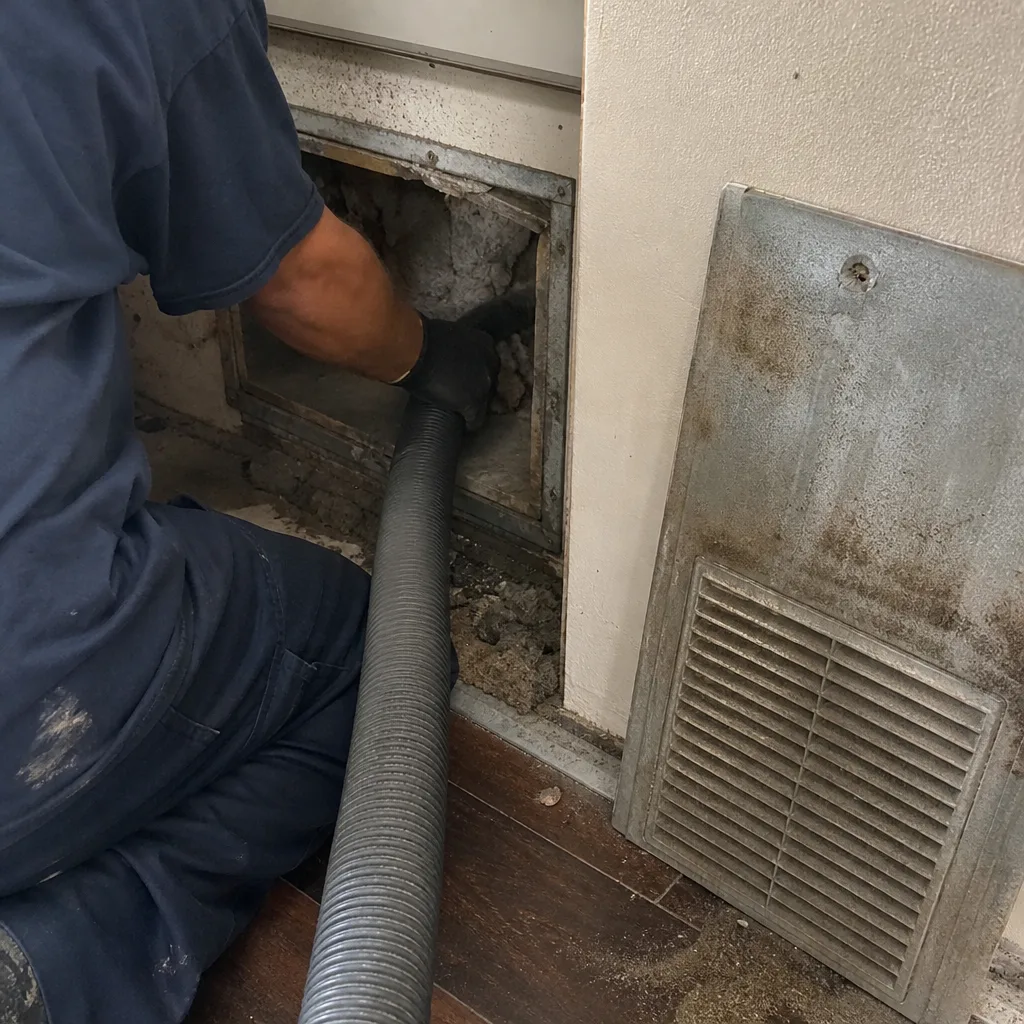 Before
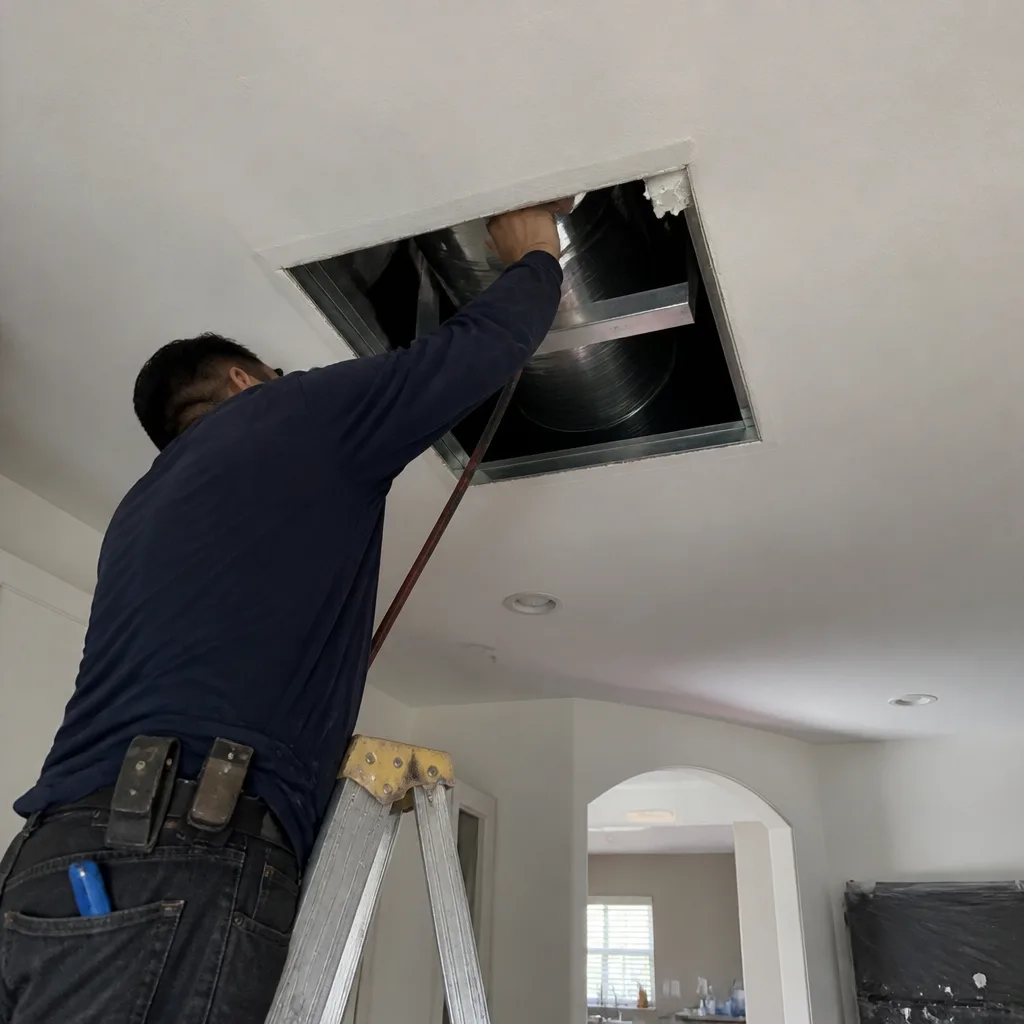 After
After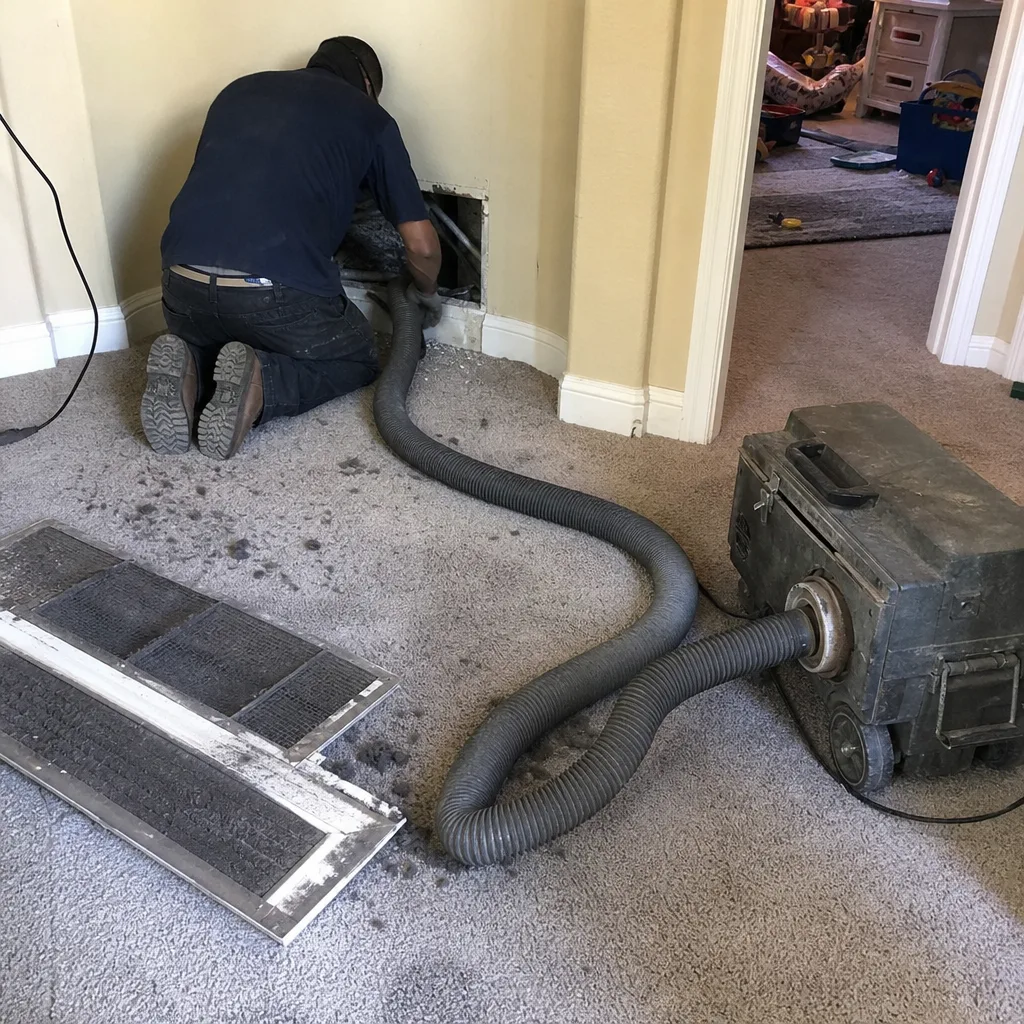 Before
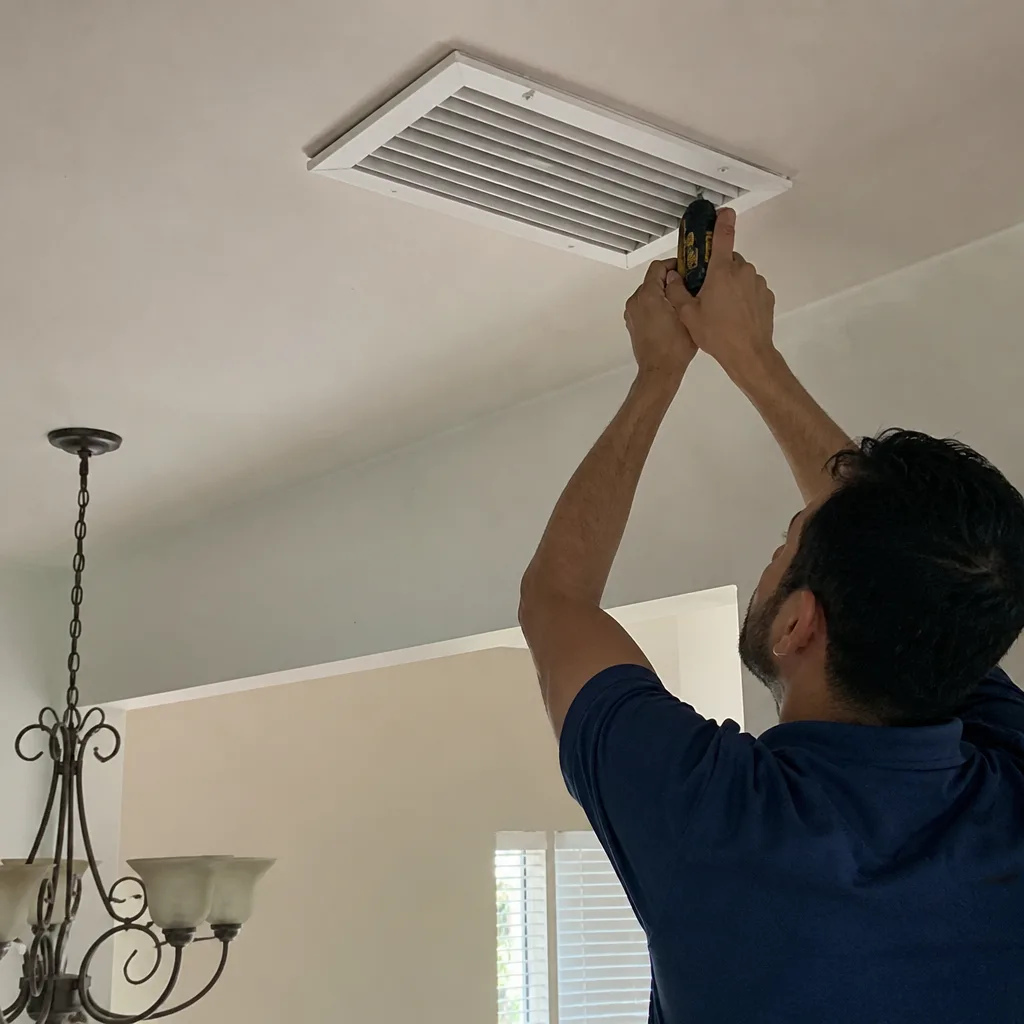 After
After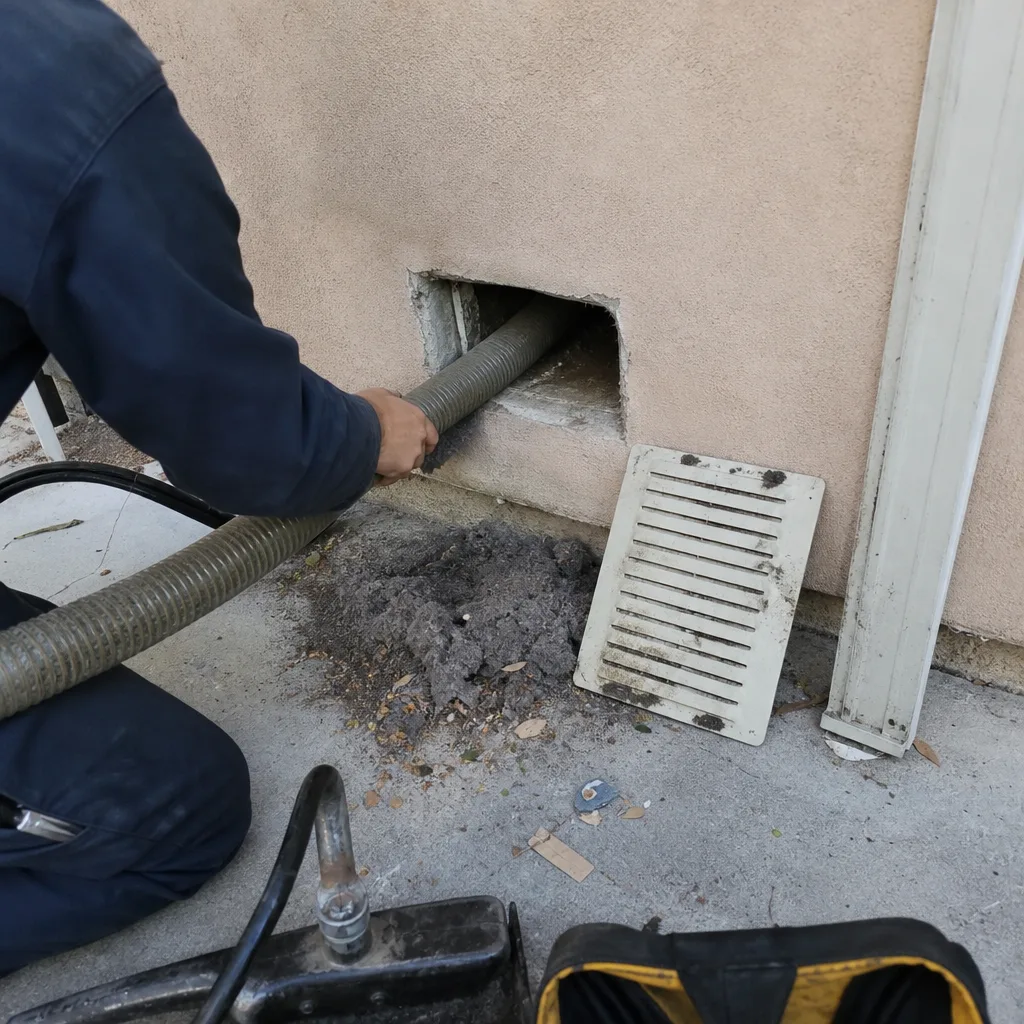 Before
 After
After